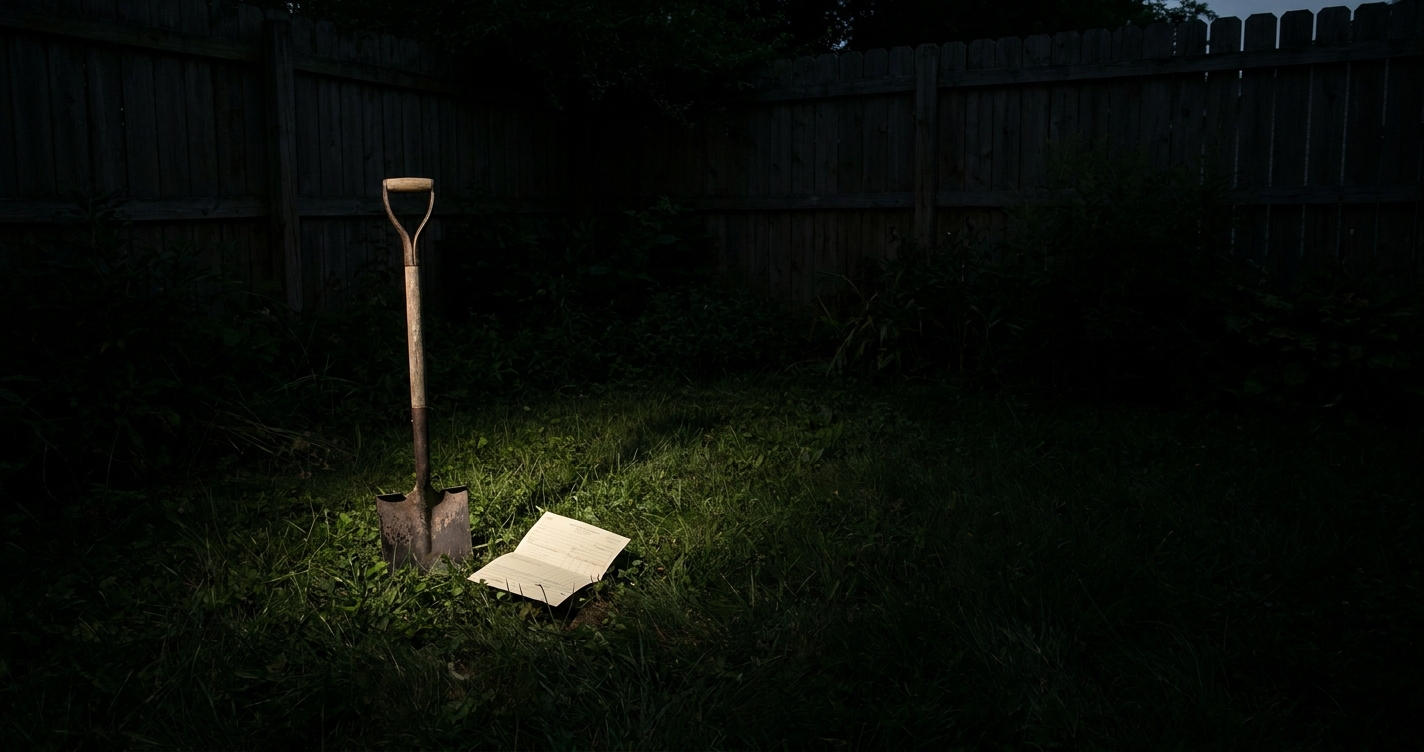
Some families ask a question that sounds unusual at first: can we bury our loved one at home? The Miami Herald took up that question this week.
Here is a plain-English look at the parts of Florida law that bear on it. This is not a how-to. Whether a particular burial is allowed depends on where the property is and what local rules apply, and that is exactly why the answer is worth getting before anything is done.
What the Florida statutes say about remains
Chapter 497 of the Florida Statutes governs funeral, cemetery and consumer services. Three points are worth knowing.
Time and care. Section 497.386 says a dead human body may not be held in any place or in transit more than 24 hours after death, or pending final disposition, unless it is kept under refrigeration at 40 degrees Fahrenheit or below, or is embalmed or otherwise preserved in an approved manner. The same section says remains that are transported or stored must be "completely covered and at all times treated with dignity and respect."
Transport and paperwork. The same section provides that a body may be transported only when accompanied by a properly completed burial-transit permit issued under chapter 382, the vital statistics chapter. Section 382.006 requires the funeral director who first assumes custody of a dead body to obtain a burial-transit permit before final disposition.
What counts as a cemetery. Section 497.005 defines a "cemetery" as "a place dedicated to and used or intended to be used for the permanent interment of human remains or cremated remains." Section 497.260 then lists cemeteries that are excepted from the chapter's cemetery provisions, including county and municipal cemeteries and family cemeteries of less than 2 acres that do not sell burial spaces or burial merchandise. Whether a particular private burial plot falls inside or outside those provisions is not something to guess at.
What the statutes do not settle
The statutes above do not give a one-line yes or no for a family plot, and this article does not identify any county or city rule on the subject. Local rules, deed restrictions and recorded easements may also apply. Before acting, check with the county and the state.
What this means for you
- Do not move first and ask later. A body may not be held beyond 24 hours without refrigeration or preservation while a family decides.
- Get the paperwork lined up. A burial-transit permit is part of lawful transport.
- Check the land. Ask the county, the city and the state, and read your deed and any homeowners' association documents, before making plans.
When a funeral home or cemetery gets it wrong
Many families choose a funeral home or cemetery and then discover a problem: remains mishandled, a wrong release, a cremation done without proper authorization, or a burial in the wrong place. Families may have legal options when remains are mishandled. If that happened to your family, talk to a lawyer. Time matters, and records matter.
Dennis Gonzalez Law, P.A. represents families in funeral, cemetery and cremation negligence cases. The lead attorney is a former Miami-Dade prosecutor.
Call (305) 209-0384, answered 24/7. The first consultation is free.
Learn more about funeral and cemetery negligence.
This article is general information, not legal advice. Every situation turns on its own facts and on local rules.