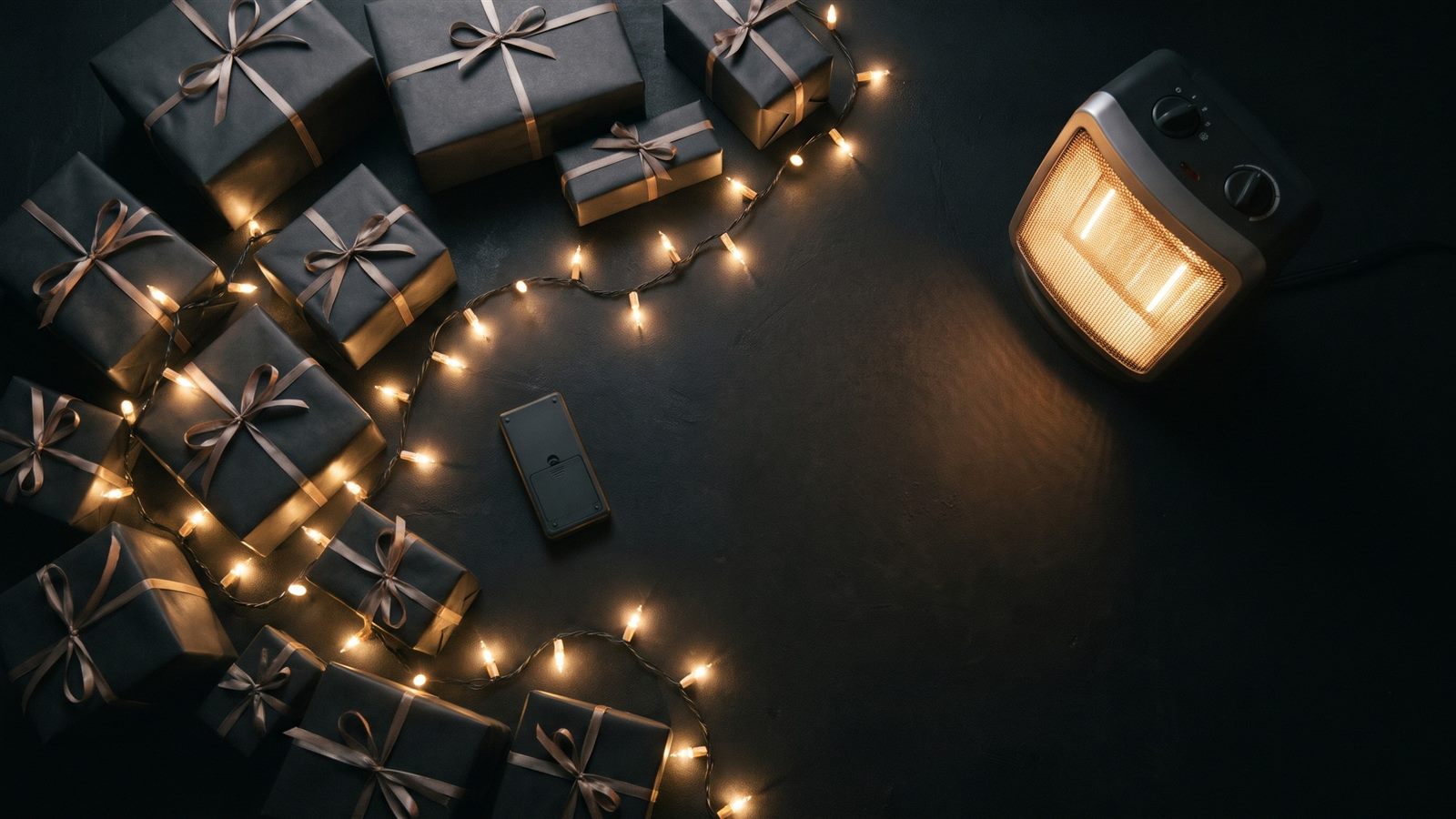
Gifts pile up, lights go on the tree, and even in Miami a cold snap sends people looking for the space heater. A lot of what makes the holidays warm also puts small hazards in the house.
This is a family safety guide first. Here are the hazards worth knowing, a quick pre-gift check, what Florida law generally says when a product is defective, and what to do if someone is hurt.
Why are button batteries such a concern?
Button batteries, the flat coin-sized kind, hide in remotes, key fobs, greeting cards, light-up toys, candles and small gadgets. A small child can swallow one fast and quietly.
Once swallowed, a button battery can cause serious internal injury in a short time. That is why speed matters. If you think a child swallowed one, treat it as an emergency: go to the ER or call 911 right away. On the way, you can call Poison Help at 1-800-222-1222 or the National Battery Ingestion Hotline at 1-800-498-8666.
Federal law now requires safer battery packaging and warnings on certain products that use these batteries.
Quick check: make sure the battery compartment on every gift is closed, ideally with a screw. Keep spare batteries and old ones locked away or out of reach.
What about space heaters and string lights?
Heat and electricity make the holiday risks that cause fires.
- Space heaters. Keep them at least 3 feet from the tree, curtains, bedding, furniture and gift wrap. Plug them straight into the wall, not an extension cord or power strip. Turn it off when you go to bed or leave the room. Pick one that shuts off if it tips over.
- String lights. Check cords for frays, cracks or loose plugs before you hang them. Do not link more strands than the package allows; for older incandescent lights, never more than three sets. Do not overload outlets.
- Live trees. Keep them watered and away from heat sources.
What should I check on toys?
Before you wrap a toy, look at three things.
- Small parts. Keep balls and toys with small parts away from children under three, and check for choking-hazard warnings. Older siblings' toys can be a danger to babies in the same house.
- Magnets. Loose, powerful magnets can pull together through the intestines and cause serious harm if more than one is swallowed. Keep magnet sets away from young children.
- Cords, strings and batteries. Long cords can wrap around necks. Make sure battery doors are secure.
Read the age label, and take it seriously. It is there for safety, not only for fun.
Is it a defective product, or did something else go wrong?
Fair question. Misuse happens: a heater put under a blanket, a battery left in a drawer within reach.
Florida law generally looks at whether a product was defective in one of three ways:
- Design defect. The design itself made the product unreasonably dangerous.
- Manufacturing defect. This unit was made wrong, even though the design was fine.
- Warning defect. There was a danger the buyer needed to be told about, and the warning or instructions were missing or inadequate.
A company in the chain from factory to store shelf may be responsible, not just the maker. And if someone ignored a clear instruction, a court can weigh that too.
This is general information. Whether a product was defective depends on the facts and often on testing by an expert.
What should I do if a product hurts someone?
- Medical care first. Call 911 or go to the ER. Tell the doctors what happened and what product was involved.
- Keep the product. Do not throw it away, clean it, repair it or plug it in again. Put it somewhere safe and out of reach of children. If it was a fire, keep what remains, including the cord, the plug and the box.
- Keep the packaging, receipts and instructions. Include the box, the label, the model number and any gift receipt or order confirmation.
- Take photos of the product, the scene, and any injuries. Take more as healing goes on.
- Do not return it to the store and do not send it to the manufacturer, even if they offer a refund or ask for it back. Once it leaves your hands, the evidence may be lost.
- Check recalls at CPSC.gov. Write down the recall number if your item appears.
- Report it at SaferProducts.gov.
- Write down what happened while your memory is fresh.
Is there a deadline?
Yes. Florida sets time limits for injury claims, and recent changes shortened some of them. Another rule limits how long after a product is sold that some claims can be brought. Where a child is hurt, other rules can matter, and a family should not guess. Do not wait to ask.
Where can I learn more?
See our products liability guide and our personal injury overview.
Hurt by a product? Call us to talk about your options.
If a gift or decoration injured someone in your family, we can listen and explain where you stand. The consultation is free.
(305) 209-0384 · Open 24/7 · Se habla español
This article is general information, not legal advice, and does not create an attorney-client relationship. Every case is different.