In this article
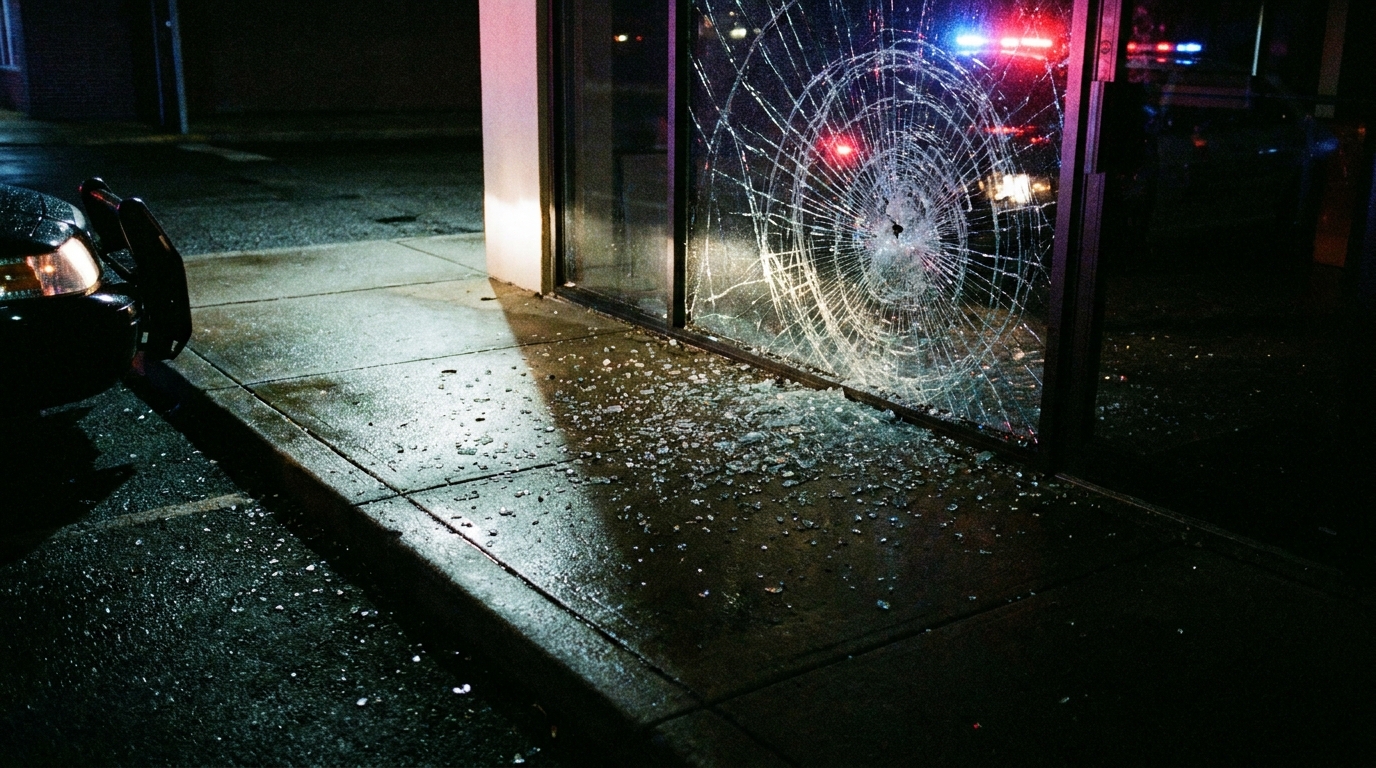
On Saturday, a car crashed into a Goodwill store in Miami with people inside, and NBC 6 South Florida reported that two people were injured. Crashes like this are a reminder that a trip to the store can end in an emergency room, and that the person hurt often has no idea who is responsible for the bills. This post explains the basics of how Florida law and insurance handle that question. It does not comment on what happened in this particular crash.
Start with your own care
If you are hurt, the first job is medical care. That is also a legal point. Section 627.736 of the Florida Statutes sets out personal injury protection (PIP) benefits. The statute lists benefits for the insured and certain others, including "persons struck by the motor vehicle and suffering bodily injury while not an occupant of a self-propelled vehicle," up to a limit of $10,000 in medical and disability benefits.
The medical benefits are tied to timing. The statute covers necessary services "if the individual receives initial services and care" within 14 days after the motor vehicle accident. It also draws a line based on an emergency medical condition: reimbursement up to $10,000 if a qualifying provider has determined that the injured person had an emergency medical condition, and a limit of $2,500 if a provider determines the person did not. So the 14-day window and the provider's determination both matter.
Whether PIP applies in your situation depends on the policies involved, so ask a lawyer to look at the actual policy language.
Who may be responsible beyond PIP
PIP is not the whole picture. A person hurt by a negligent driver may have a claim against that driver, and that claim usually runs through the driver's liability insurance. Florida law sets time limits for these claims. For more on the clock, see our post on the two-year deadline for injury claims.
A business can sometimes be involved too, but not automatically. A store is not an insurer of everyone who walks in. Whether a business owes anything usually turns on specific facts, such as whether there were known hazards, how the property was set up, and whether the danger was foreseeable. Those are fact questions, and they are not answered by a news headline.
Questions about your situation? Talk to Dennis.
What to do after a crash at a business
- Get medical care right away, and say you were in a crash. That starts the 14-day PIP clock in the right direction.
- Report it. Make sure a police report exists, and ask the store for an incident report.
- Document the scene. Photos of the vehicle, the damage, the floor and the entrances can disappear fast once the cleanup starts.
- Collect names. Get contact information for the driver, the employees and any witnesses.
- Be careful with insurers. Do not give a recorded statement to the other side's insurer before you understand your rights.
- Keep every bill and record, including time missed from work.
Talk to someone before you sign anything
Insurance forms and early settlement offers can limit what you recover. A short conversation with a lawyer before you sign can protect you.
If you or a family member was hurt in a crash, you can read more about personal injury claims or call (305) 209-0384, answered 24/7. This article is general information, not legal advice about your situation, and every case depends on its facts.